AI personal health tools are no longer a futuristic concept. In 2026, artificial intelligence is actively changing how millions of people monitor, manage, and improve their health — shifting the model from reactive sick care to proactive wellness.
The implications are profound. For the first time in history, individuals have access to the kind of personalized health intelligence that was previously available only to elite athletes and the very wealthy.
Here is what is happening right now, and what it means for your health.
From Reactive to Proactive Health
Traditional healthcare is fundamentally reactive. You feel sick, you see a doctor, you get treated. Prevention is discussed but rarely practiced systematically because the tools to do so simply didn’t exist at the individual level.
AI changes the model entirely.
Wearable AI devices now monitor your body continuously — heart rate variability, sleep patterns, body temperature, blood oxygen, stress levels — and flag anomalies before they become symptoms. Instead of discovering a health problem when it becomes serious enough to cause pain or dysfunction, AI identifies the early warning signs weeks or months in advance.
This shift from reactive treatment to proactive prevention is arguably the most significant change in personal health in a generation.
6 Ways AI Is Transforming Personal Health Right Now
1. Personalized Health Monitoring
Traditional health monitoring happens during doctor visits — once a year if you’re diligent. AI wearables monitor your health continuously, 24 hours a day, 365 days a year.
Devices like the Oura Ring and Whoop track dozens of biomarkers simultaneously and use machine learning to understand what is normal for your specific body. When something deviates from your personal baseline — not a population average, but your individual normal — the AI flags it immediately.
This level of continuous personalized monitoring was previously available only in hospital intensive care units. In 2026, it fits on your finger.
2. Early Disease Detection
AI is demonstrating remarkable ability to detect early signs of serious health conditions through data that wearables already collect.
Apple Watch’s AI algorithms can detect atrial fibrillation — a heart arrhythmia that significantly increases stroke risk — from wrist-based heart rate data with clinical-grade accuracy. Studies have shown that Oura Ring’s temperature monitoring can detect the onset of illness one to two days before symptoms appear.
Researchers are training AI models on wearable data to detect early signs of Parkinson’s disease, diabetes, and depression — conditions that currently go undiagnosed for years because early symptoms are subtle and easy to miss.
The potential to catch serious diseases at their most treatable stage through devices people already wear daily is one of the most significant developments in preventive medicine.
3. Personalized Nutrition
Generic dietary advice — eat less, move more, avoid processed food — fails most people because it ignores individual metabolic variation. Two people can eat identical diets and have completely different health outcomes based on their gut microbiome, genetics, and metabolic rate.
AI nutrition tools are solving this problem at scale.
Apps like Lumen measure your actual metabolic state through breath analysis and adjust your daily nutrition recommendations accordingly. AI platforms that analyze gut microbiome data provide dietary recommendations specific to your individual bacterial composition. Continuous glucose monitors combined with AI show in real time how specific foods affect your blood sugar — allowing for truly personalized dietary optimization.
The era of one-size-fits-all nutrition advice is ending. AI is replacing it with nutrition recommendations as individual as your fingerprint.
4. Mental Health Support at Scale
The global mental health crisis is characterized by a fundamental supply and demand problem. There are not enough therapists, psychiatrists, and counselors to meet the demand for mental health support — and traditional therapy is too expensive for most people to access consistently.
AI mental health tools are not replacing therapists. But they are providing evidence-based support to millions of people who would otherwise have no access to mental health care at all.
Apps like Wysa and Woebot deliver Cognitive Behavioral Therapy techniques to users 24 hours a day at zero or minimal cost. AI platforms analyze speech patterns and facial expressions to detect early signs of depression and anxiety. Crisis intervention AI monitors high-risk individuals and alerts human counselors when intervention may be needed.
For the 75% of people with mental health conditions who currently receive no treatment, AI represents a genuine lifeline.
5. Personalized Fitness and Recovery
Elite athletes have had access to sophisticated performance monitoring and personalized training optimization for decades. AI is democratizing that advantage.
Wearables like Whoop and Garmin use AI to calculate your personal optimal training load based on your recovery data — telling you exactly how hard you can push today without risking overtraining or injury. AI coaching apps adapt your workout program in real time based on your performance, recovery, and feedback.
The result is training optimization previously available only to professional athletes with dedicated coaching staffs — now accessible to anyone with a $30/month subscription.
6. Predictive Health Analytics
The most frontier application of AI in personal health is predictive analytics — using patterns in your historical health data to forecast future health outcomes before they occur.
AI models trained on long-term wearable data can now predict with meaningful accuracy when someone is likely to get sick in the next 48 hours, when an athlete is approaching overtraining syndrome, and when sleep patterns suggest an elevated risk of burnout.
As these models improve and access to long-term personal health data increases, predictive health analytics will fundamentally change how people make decisions about their lifestyle, their work, and their health behaviors.
The Challenges AI Health Tools Must Overcome
Honest discussion of AI in personal health requires acknowledging the significant challenges that remain.
Accuracy and validation — Many consumer AI health tools make claims that exceed what their underlying technology can reliably deliver. Clinical validation of consumer devices is improving but remains inconsistent.
Health equity — The most powerful AI health tools currently cost hundreds of dollars and require smartphone access. Without deliberate effort to make these tools accessible, AI risks deepening existing health inequalities rather than reducing them.
Data privacy — Continuous health monitoring generates extraordinarily sensitive personal data. The privacy implications of who owns, accesses, and profits from that data are not yet adequately resolved by regulation or industry practice.
Over-reliance — AI health tools work best as complements to professional healthcare, not replacements for it. The risk that people use AI insights to avoid or delay necessary medical care is real and worth taking seriously.
What This Means for You Right Now
You don’t need to wait for the future of AI health. The tools available today are already powerful enough to meaningfully improve your health outcomes.
The practical starting point is simple:
Track your sleep with an AI sleep app. Sleep is the foundation of every other health metric, and AI sleep data is the fastest path to understanding your personal health baseline.
Monitor your activity with an AI fitness tracker. Not to count steps, but to understand your recovery patterns and optimize your training load.
Log your nutrition with an AI nutrition app. Awareness of what you eat changes what you eat — consistently and reliably.
Support your mental health with an AI wellness app. Daily practice of evidence-based techniques compounds over months into measurable improvements in resilience and emotional regulation.
The future of personal health is personalized, continuous, and proactive. AI is making that future available today.
Final Thoughts
We are at the beginning of a fundamental transformation in how human beings understand and manage their own health. AI is shifting power from institutions to individuals — giving people access to health intelligence that was previously available only in clinical settings.
The technology is imperfect and evolving rapidly. The privacy and equity challenges are real and must be addressed. But the direction is clear and the potential is extraordinary.
Your health is the most important asset you have. In 2026, AI gives you better tools to protect and optimize it than any previous generation has had access to. The question is simply whether you use them.
How is AI changing your approach to personal health? Share your thoughts in the comments below.
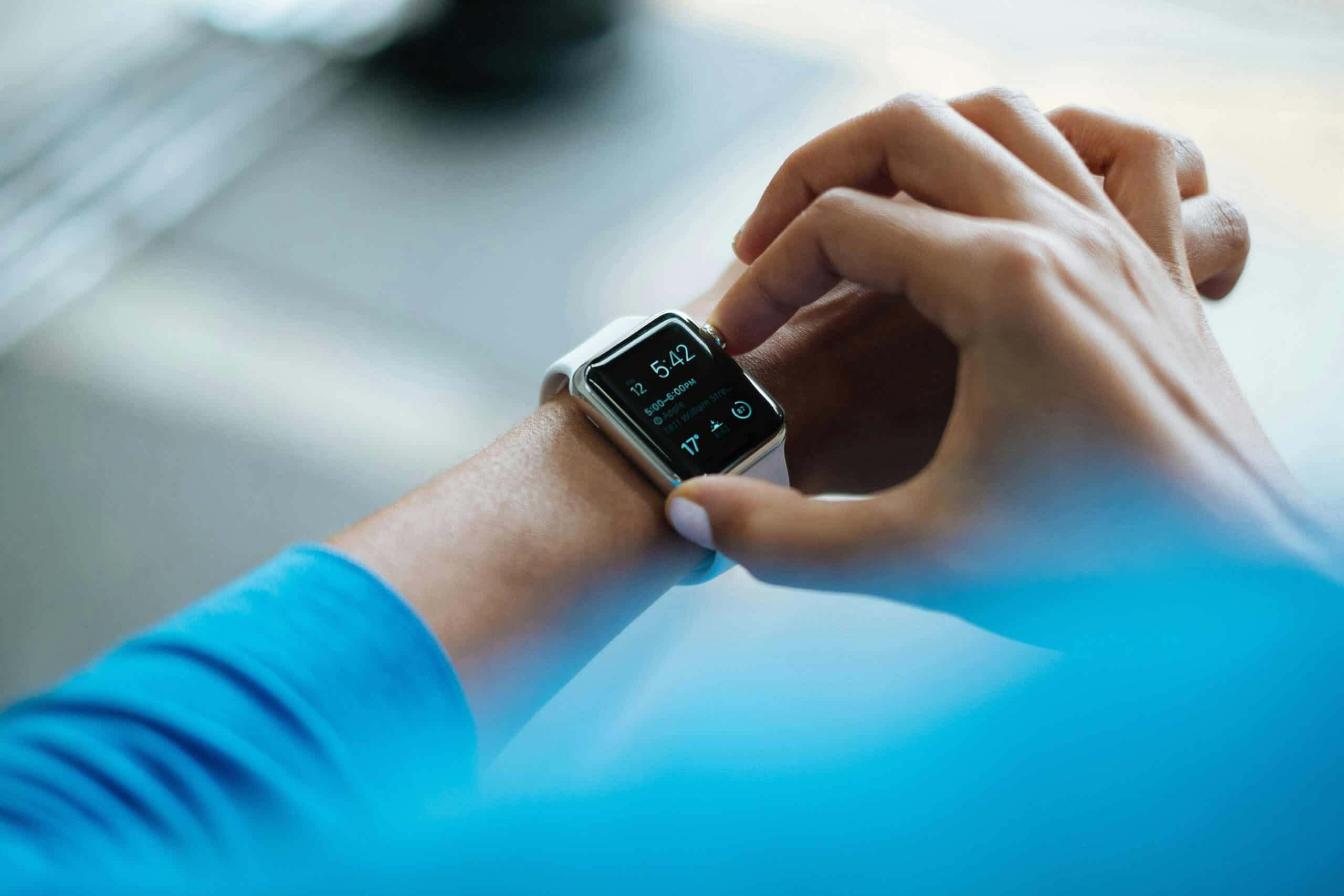
Foto de Luke Chesser na Unsplash